
Good grades help at school, but getting along with people shapes a whole life. In this article for Parent Cue, a Christian parenting site, licensed counselor Dr. Chinwé Williams shows how parents can grow emotional intelligence in teens.
How to Foster Emotional Intelligence in Kids & Teens
Four pillars of emotional intelligence and how to build them in teens.
 Dr. Chinwé Williams
What you’ll find in the article:
- what emotional intelligence is and why it matters beyond school
- four pillars, from self-awareness to handling relationships
- how parents can model calm when their own feelings run high
- a sentence pattern for conflicts, and when not to use it
“Emotions are tricky but also transitory.” Dr. Chinwé Williams, How to Foster Emotional Intelligence in Kids & Teens
Using it as a youth leader or educator
Games, small groups and trips give teens plenty of chances to practice these skills with adults nearby:
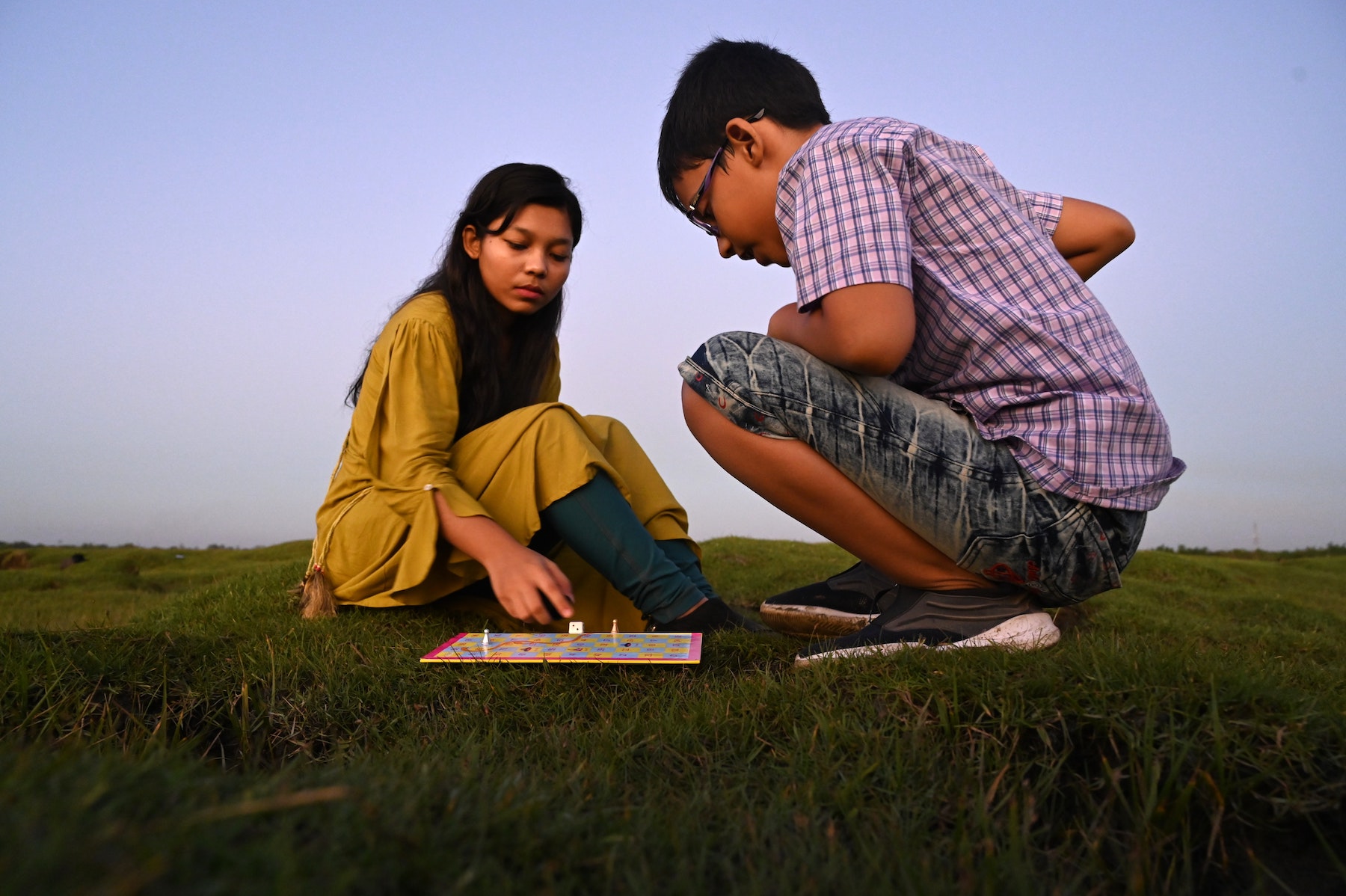
- Debrief after games. After a competitive game, ask who noticed someone getting frustrated and what helped. Teens learn to read others while the moment is still fresh, and nobody has to be singled out.
- Practice perspective. Retell a Bible story through another character’s eyes, such as the older brother in Luke 15. Ask how he felt and why.
- Correct in private. When a teen hurts someone with a comment, talk with them afterward, away from the group’s attention but within sight of other leaders. Explain how the words landed and ask what they meant.
- Hand out small roles. Running a game or welcoming newcomers puts empathy into practice. Ask afterward what they noticed about the people they served and what they would do differently next time.
More on Pulse
- Good Communication Despite Hormonal Chaos and a Brain Under Construction
- Why Teenagers Feel Misunderstood, and What You Can Do About It
- Resolving Conflict: 9 Phases
“How to Foster Emotional Intelligence in Kids & Teens” is by Dr. Chinwé Williams for Parent Cue, © Parent Cue. The introduction and the ideas for youth leaders and educators are by Pulse.