
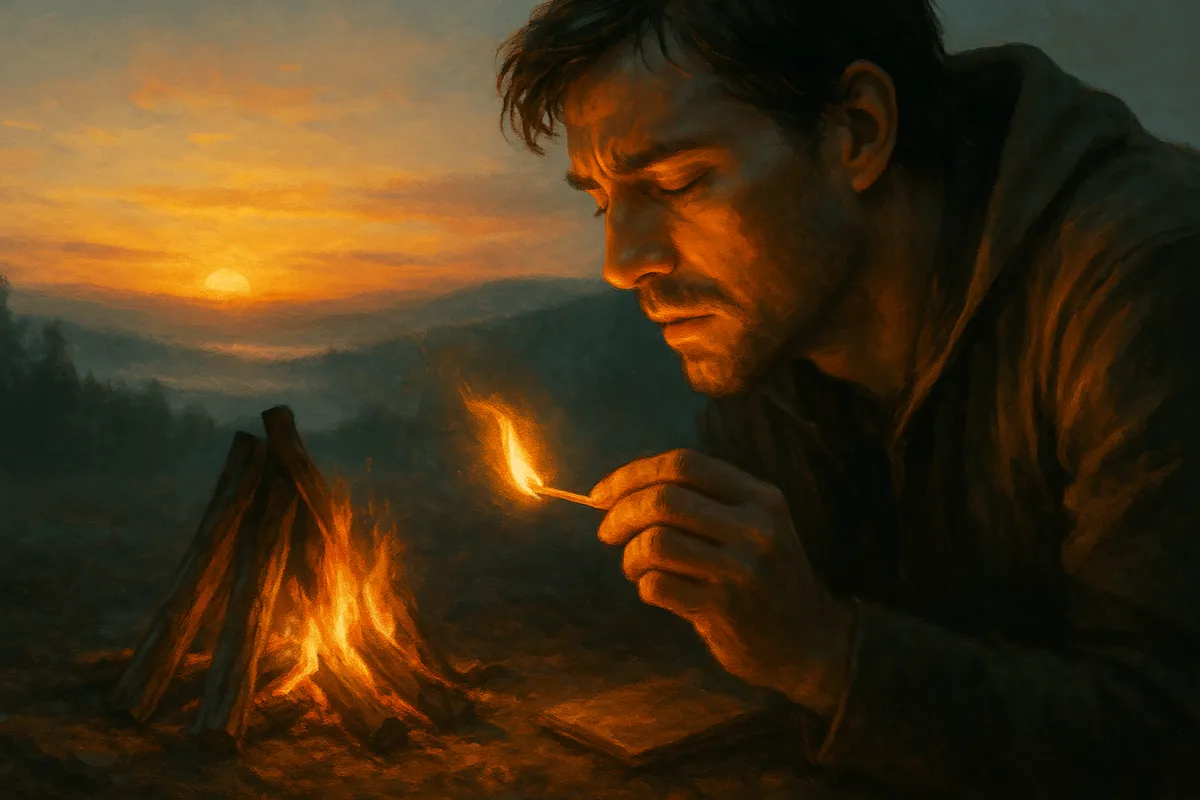
Burnout feels like a standstill. Suddenly nothing works anymore. Everything that used to come easily becomes a burden. Maybe you feel like you’ve failed, or like you’ll never have the same energy as before. But here’s the truth: burnout isn’t the end. It can be a new beginning.
I know what I’m talking about. My burnout catapulted me completely out of my everyday life. From one day to the next. For three months, I couldn’t do anything except shuttle between bed, couch and bathroom. And even that felt overwhelming. My mind was empty; not a single clear thought was possible. It was as if my inner system had shut down completely. But with patience, trust in God and a lot of support, I made my way out again, step by step. Today I feel like a completely new person: more aware, more mindful, more alive and much closer to God. And I know this crisis (as hard as it was) wasn’t a dead end but a turning point.
There are ways back. Ways that not only lead you back into life but help you carry on wiser, healthier and with more self-care. Here are six steps that can help you get back on your feet after a crisis of exhaustion.
About the series “🔥 Fireproof Leadership: A Survival Guide Against Burnout”
Work can be fulfilling, but it can also drain you. Many leaders burn out because they’re constantly giving, sacrificing themselves for others and ignoring their own limits in the process. This series helps you spot the warning signs early, live out your idealism in a healthy way and stay stable for the long haul through self-care.
- Fire Alarm: The Most Radical Step in Dealing with Burnout: Don’t Fight It
- Smoke Signals: Why You’re at Risk of Burnout as a Youth Leader
- Embers and Ashes: Why Do the Best Burn Out? Idealism and the Trap of Self-Sacrifice
- Shield: Self-Care Is Not a Luxury: Seven Ways to Stay Healthy
- Campfire, Not Wildfire: Healthy Team Culture: Share Responsibility Instead of Wearing Yourself Out
- Rekindling the Fire: How to Get Back on Your Feet After Exhaustion
- Fuel for the Soul: Healthy Spirituality: Living Your Faith Without Burning Out
1. Accept where you are right now
There’s no point in fighting your exhaustion or playing it down. Burnout isn’t a weakness. It’s a signal from your body and your soul that something isn’t right anymore.
2. Get support, and make it professional
This is important: burnout isn’t a phase you can “just wait out.” And it isn’t a test of faith you have to get through “with more trust in God.” You can’t simply “pastor it away.” Burnout is a serious health crisis, and it needs serious help.
Pastoral care, conversations with friends, support from your church: all of this can help you along the way. But none of it can replace therapy. And it shouldn’t. Psychological or medical care isn’t a sign of unbelief but of responsibility. For yourself. For your life. For everyone who walks alongside you.
3. Learn new rhythms of life
If you just want to go back to your old pace, it won’t work. Burnout means you have to rethink the way you live and work. Healthy boundaries, more breaks, intentional times of rest: none of this is a luxury. It’s necessary.
4. Find your way back to what brings you joy
Under stress, we often lose the very things that actually give us life: creativity, friendships, nature, whatever touches our hearts. Maybe you get to learn all over again how to discover these things.
5. Remind yourself that you’re valuable, even without achievement
You are more than what you do. Your worth doesn’t depend on your productivity. Sometimes it feels like you’re worth nothing if you’re not active. But that’s a lie.
6. Take your time and shape your return differently, on purpose
Coming back after burnout doesn’t mean simply slipping back into your old rhythm. After all, that’s exactly what led you into exhaustion. Instead, you get to take what you’ve learned with you and slowly anchor it in your everyday life and your youth ministry. Practice setting new boundaries, listen to your body and find out what’s good for you in the long run.
You can take a new path
Burnout doesn’t have to be the end. It can be an invitation to reshape your life, to live more intentionally and to take better care of yourself. It takes time, but step by step you can find your way back to strength, joy and clarity.
One of your first steps when you feel burned out should be looking for support. Seriously.