
The numbers of depressed young people are shockingly high. Why?
He: There are many reasons. I see a certain lack of direction because of all the decisions young people have to make these days. On top of that, healthy role models are often missing, which makes finding their identity even harder. These are all factors that put a strain on mental health. And of course the COVID pandemic in recent years has played its part too.

How has the pandemic affected our mental well-being?
She: Problems that already existed before the pandemic are being intensified by it. Right now it’s hard to build and keep up friendships, meet expectations at school or at work at the same time and still keep a positive view of the future.
What’s the difference between “being sad” and depression?
She: Sadness is first of all a completely normal feeling, just like anger or joy. When you’re sad, you can usually trace it back to an event, for example losing someone you love. Melancholy, on the other hand, is something we can’t place as easily. It can be triggered, for example, by days of bad weather or hormone changes, but it passes again after a few days.
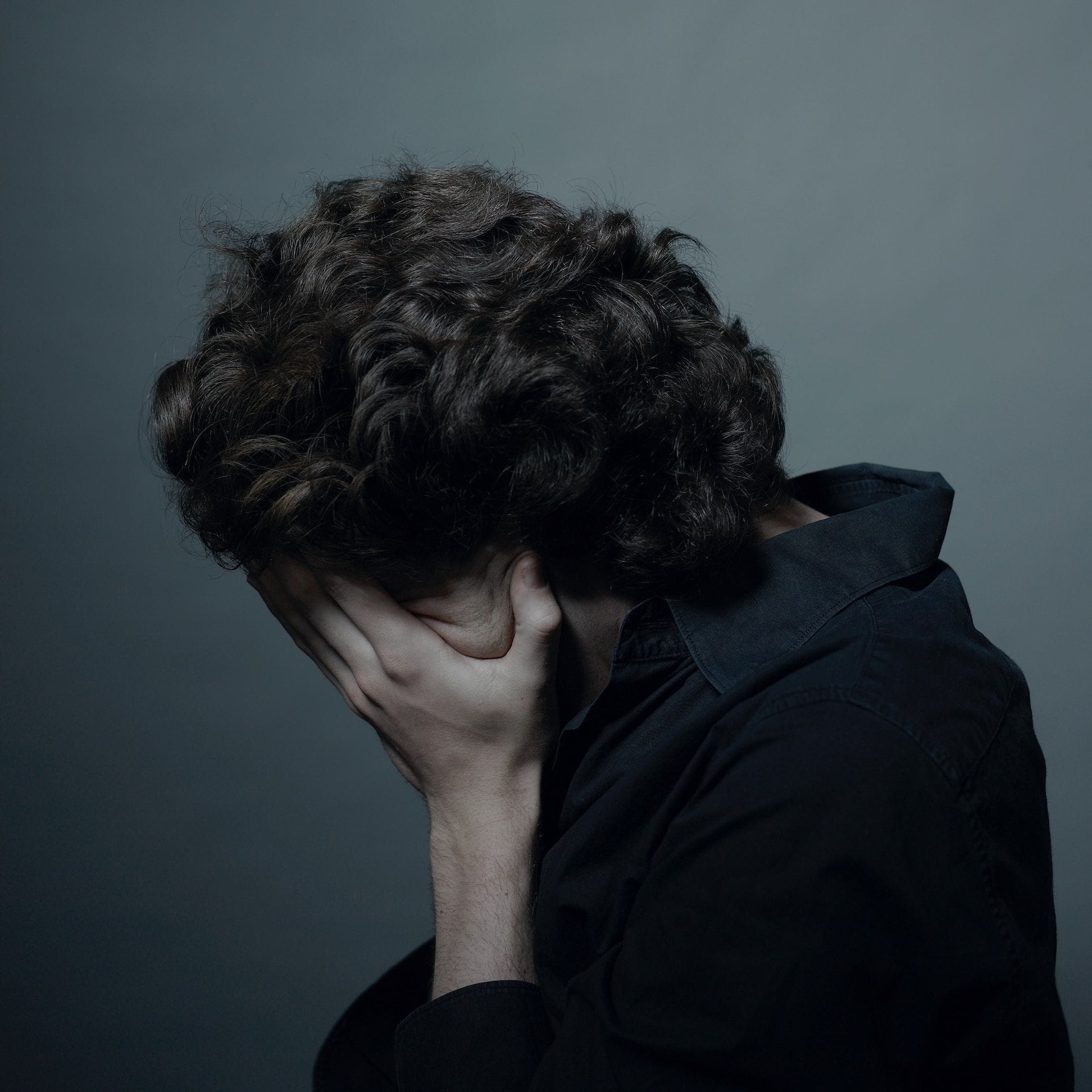
With depression, specific criteria have to be met: The low mood doesn’t change for at least two weeks, not even during activities that normally bring you joy. Depending on how severe it is, other symptoms come on top of that, such as lack of energy, sleep problems, eating less or more than usual, a negative view of the future, feelings of guilt and lower self-esteem.
If I think about death, does that mean I’m depressed?
He: As a young person you think a lot about the world, yourself and the hard questions of life. Death is one of them. But almost everyone has these thoughts. It becomes a problem when the thought of death feels like a possible solution to problems. If you regularly dwell on dying and maybe even make concrete plans to hurt yourself, you should get help urgently.
For a long time depression was a social taboo. Has that changed?
He: I see two things happening here. In some places mental illness is still something people don’t like to talk about. Men in particular sometimes find this hard, because they’re afraid of being seen as less manly. Sadly, for some people being a man still means managing everything alone and not being allowed to show emotions. But most young people are more open about mental illness. At the same time, the word depression is also getting watered down, because it’s used for things like disappointment, lack of motivation and sadness.
What are the most common causes of depression?
She: Genetic disposition plays a role in how depression develops, but so do environmental influences: situations that come at us from outside, like certain life circumstances we have to cope with. That includes the family we grew up in. How we deal with upheavals in life also makes a big difference for mental health, for example moving out of our parents’ home or changing jobs. Finally, finding our bearings in the world is a challenge too and has a big influence on our well-being.
This is about finding answers to questions like “Where do I belong?” and “Do I matter?”
What can you do to prevent depression?
She: Exercise, a healthy sleep rhythm, daylight and a balanced diet are important foundations for mental health. But what I consider most important of all are good relationships, where you can talk openly and above all share experiences together. Beyond that, everyone should find out for themselves what does them good. Some find it helps to keep a journal, others like to make music and can express their emotions and relax while they do.
He: And what does you good isn’t always what’s fun, like maybe gaming at the computer for five hours.
Where can you turn when you only see life negatively?
She: The first important step is to find someone you trust, because talking brings relief. If you still feel very bad after that, you can also go to your family doctor and describe your symptoms. There you can get a referral for psychotherapy.

Isn’t it enough to pray when you’re not doing well?
She: For us as Christians, our relationship with God is of course very important, so it’s good to ask for help in prayer too. But there are things that remain a burden even with a good relationship with God, and where we need professional help. I like to compare psychotherapy or medication to a crutch, like the one you need when you break a leg, so you can walk on your own again. They aren’t for life. They’re meant to help you work on yourself, heal and learn strategies so you can then go through life without this help again. That has nothing to do with whether or how much you believe.
If I notice symptoms of depression in a friend, how do I bring it up?
He: We can always simply ask how the person is doing and see whether they want to talk about something on their own. If the relationship allows it, you can of course also say what you’ve noticed, for example:
“I’ve noticed you’ve been pulling back a lot lately. How are you doing? I’m worried about you.”
What would you like readers to take away at the end?
She: Ups and downs in mood are a completely normal thing. If it’s more than that and you’re affected by depression, there’s good information and suitable professional help. No matter how bad we feel, we humans can always act. There’s always a step we can take, even if it’s only a message to a friend. You’re worth taking good care of yourself and your mental health. And I want you to know: No feeling lasts forever. Depressive episodes pass too.
Interview: Clara Hinteregger
Where can I get help?
If you’re in crisis, the numbers in the box above are there for you day and night. For help that isn’t urgent, start with someone you trust or your family doctor, who can refer you to a therapist.