
A home for teenagers and young adults: how the next generation flourishes in church
Clara (name changed) grew up in difficult circumstances. When she was 13, her parents began to fight regularly. Soon the situation escalated, and Clara and her sister experienced violence over the smallest things, even if they just didn’t close a window properly. Clara hated being at home. She spent her evenings in basketball courts or arcades until late at night. Her parents eventually divorced, and her father left home. Clara, her mother and her sister never saw him again, and he never tried to contact them. That hurt Clara deeply. Financially, the family wasn’t doing well either.
During this time she came to Heart of God Church and got to know God. Since the church was open almost every day, she spent more and more time there. The church became the safest place for her. Her pastors and leaders looked after her when they heard about her difficult financial situation. She received not only support, but also a small monthly allowance. Suddenly she could not only pay for the bus, but also be generous toward others and even save.
#1 The church has to be more than a building
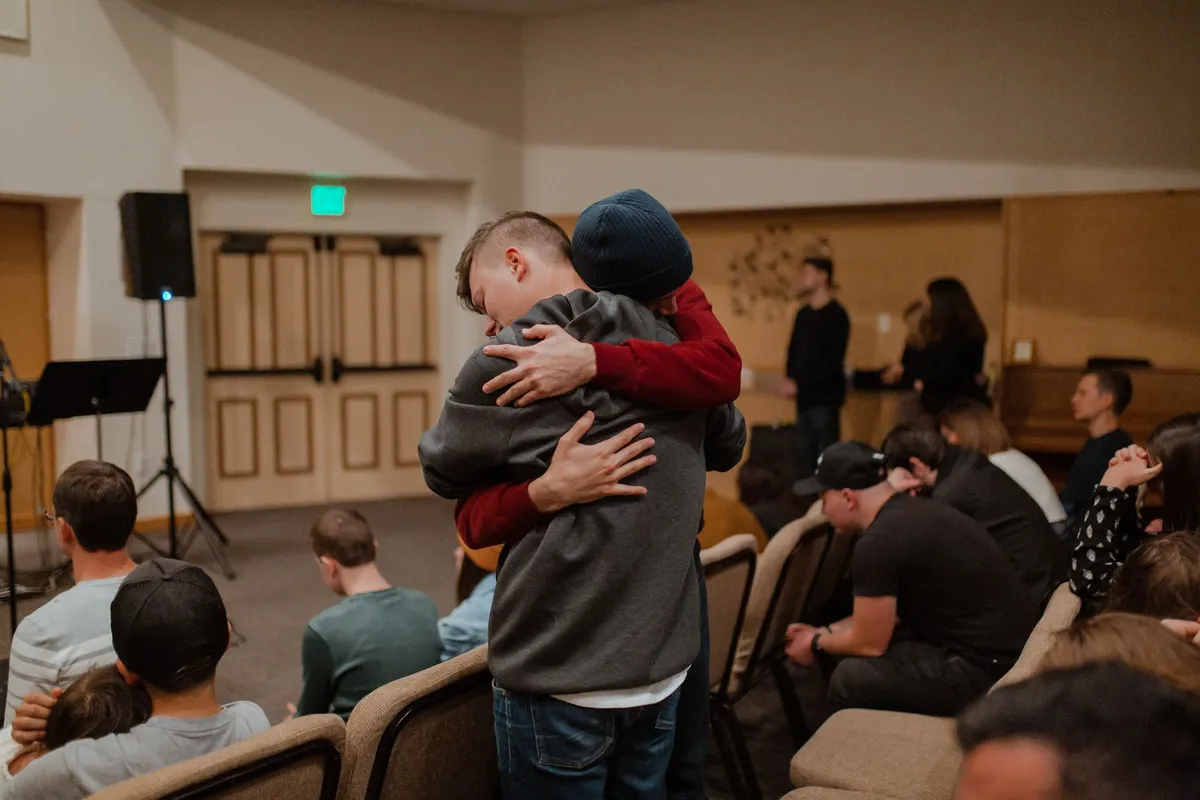
The experiences of young people like Clara show that the church can’t simply be a place where people gather on the weekend. It has to be more than a stage for preaching. Young people aren’t just looking for a place; they are looking for relationships, for a spiritual home. It isn’t the building, it’s the people who make the church a home.
If we want to build a strong church in which young people are made disciples, we have to make the church a home. A home that nurtures relationships and creates room for spiritual parents. (Pastor How)
For young people who grow up without stable families, the church can be the only constant in their lives. It isn’t enough to offer them a good sermon or a great program; they have to feel that they belong. When they experience that they belong, they open up to faith, and real change doesn’t just become possible, it begins.
#2 Belonging creates faith, not the other way around
In most churches, however, young people are first expected to believe, then to behave like Christians, and finally they are allowed to belong. But today that order no longer works. Young people long to belong first. They want to know that they are welcome, that they have a place, before they embrace the faith.
The order has to be reversed: young people want to belong first, then they begin to believe, and only after that does the real inner transformation happen. They want to feel that they are welcome before they believe in Jesus. (Pastor How)
This shift in order means that churches have to be ready to accept young people as they are. It isn’t about perfection or meeting certain standards; it’s about love and acceptance.
#3 The church as a place of stability
In many churches, a youth pastor stays an average of only three years. For teenagers who have often already experienced being abandoned by their parents, this is a repeated trauma. At a time when they need stability, they experience a change of relationships again and again.
If you build relationships with teenagers and then leave after a few years, they feel abandoned, just like they may have already experienced with their parents. (Pastor How)
That’s not an easy challenge, especially in youth ministry, where staff changes are common. But if we really want to shape young people, we have to be willing to invest in their lives long term. It takes spiritual fathers and mothers who stay at their side over the years.
#4 Spiritual fathers and mothers: the heart of the church
To make a church a home, it takes spiritual fathers and mothers who are ready to walk alongside young people, love them and give them a sense of safety and acceptance. Especially in a time when many grow up without parents or stable families, the church is often the only place where they can experience that.
Every year on Father’s Day and Mother’s Day, Pastor How, his wife Lia and their team write a personal letter to the teenagers who are growing up without a father or a mother, and give them a small gift. This small gesture of love has completely changed the lives of many teenagers.
One of the girls told me: Father’s Day used to be the worst day of the year; now it’s the best, because on that day I get something that reminds me that I haven’t been abandoned. (Pastor How)
#5 A place of real change
A church that is a home changes lives. It isn’t just about leading young people onto the right path, but about truly loving them and showing them that they have a place in the community. This love and acceptance lead to real change. Clara, who is a leader in the church today, not only found a home, but was inspired to become a leader herself and walk alongside others.
Heart of God Church saw me and gave me room to grow. Now I give something back by caring for my church, the way it cared for me. (Clara)
An invitation to rethink church
The question we have to ask ourselves is: How can we shape our churches so that they become a home for young people? How can we be spiritual fathers and mothers who are willing to invest long term? It’s about seeing church not only as a place of worship, but as a place of relationship, acceptance and real change.
It isn’t just about preaching or programs. It’s about creating a home. The church is the place where friends become family and family becomes friends. (Pastor How)
The church has to be more than a building or a program. It has to be a home in which young people are loved and accepted unconditionally. The stories from Heart of God Church are a strong testimony to how important it is to invest in young people long term and to create a place for them where they can truly feel at home.
Young people need stability, belonging and spiritual parents. They need a church that shows them they are welcome, just as they are. If we are willing to make our churches a home, we can shape a generation that not only believes, but also lives it out and changes the world.
Reflection questions
Use one or more of these questions to reflect on the article with your leadership team and develop a next step for your church and/or youth ministry:
- Where in our church do we already live by the principle “belonging creates faith”? Where could we build on that?
- Where do we already have spiritual fathers and mothers in the church? How can we encourage and support them?
- How could we intentionally develop spiritual fathers and mothers in the church who invest in young people’s lives long term?
- What long-term plans do we have to support leaders so they can invest in youth ministry over many years?
- What can we concretely do to be there on special days like Father’s Day or Mother’s Day for teenagers who grow up without stable family structures?
- What small or big changes could we implement right away to make our church a more inviting and loving place?
- How can we reshape our services, programs and the church as a whole to create more room for relationship, acceptance and spiritual growth?
- What long-term strategy can we develop to make sure our church becomes more and more a place of belonging for young people in the coming years?
English version: September 2026