What’s happening in France right now
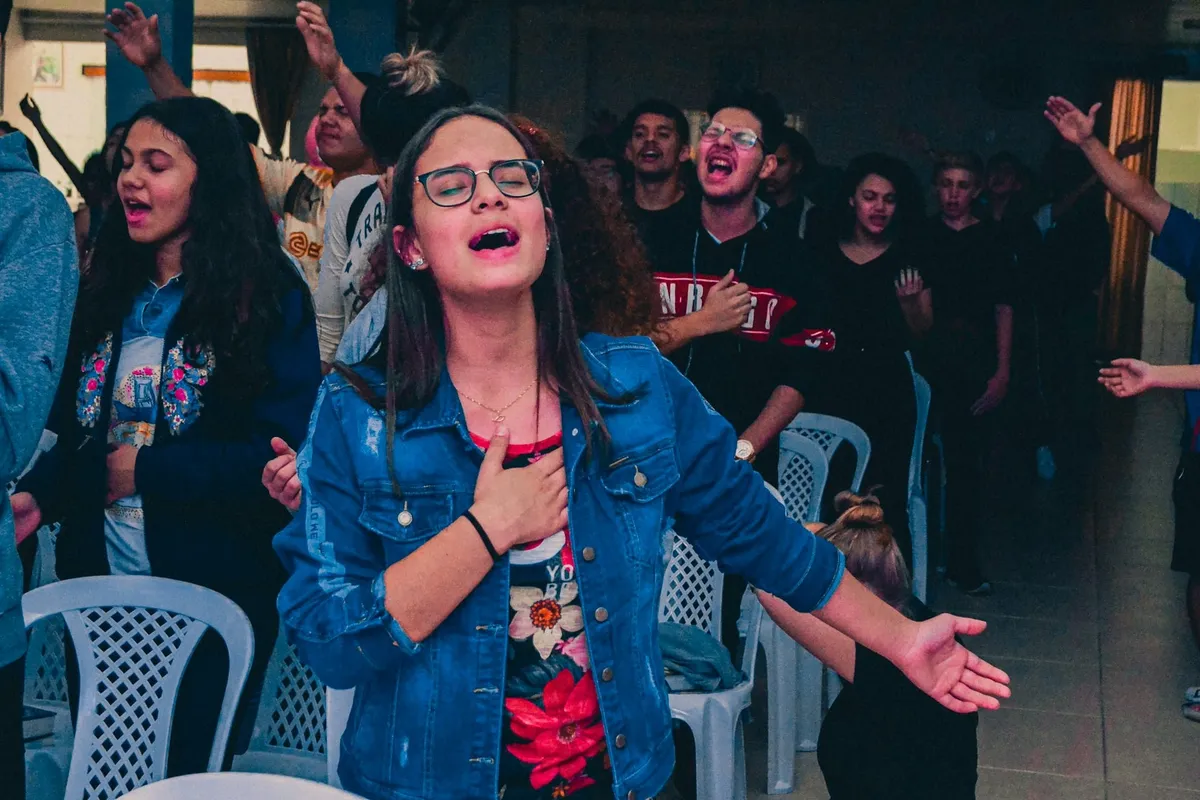
Something unexpected is happening in France: in the middle of traditionally Catholic France, the church is growing. (1) For the past two years, the number of baptisms has been rising sharply, especially among young people. At Easter 2025, 10,384 adults and more than 7,400 teenagers (2) aged 11 to 17 were baptized (3), around 17,800 in all, an increase of 45 percent (!!) over 2024, and Archbishop Olivier de Germay speaks of a “sign from Heaven.” (4) Among the adults, 18- to 25-year-olds make up the largest group at 42 percent. Back in 2024 there were already 7,135 adults baptized at Easter, an increase of 31 percent over 2023, with especially strong growth in exactly this age group. Over the longer term, the curve points upward, from 3,900 in 2015 to 7,135 (2024) and 10,384 (2025) among adults. The German Catholic news site Katholisch.de (in German) reports that 10,384 adults and more than 7,400 teenagers, around 17,800 people in all, were baptized. That is a challenge for the traditional church, which seems overwhelmed by the new situation. Until now, it had been preparing for falling numbers. Now new Christians are standing at the door and want to be part of the church.
What’s driving the growth?
1. Youth ministry plays a decisive role
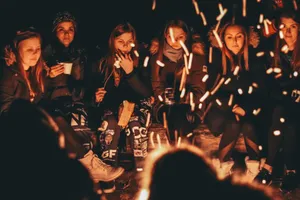
Catholic youth ministry in France shows how much strong communities can carry when teenagers experience faith, community and clear forms of Christian living there, often the starting point for a decision to be baptized. This is especially visible in the scouting associations and movements, and in trips to pilgrimage sites, which have become real spaces for talking about faith and experiencing it. (5) The numbers make the reach tangible: Scouts et Guides de France recorded 98,924 members (2024) and speak of around 100,000 themselves; the Guides et Scouts d’Europe report 36,400 members, with growth in the youth branches. (6) Church leaders stress that it’s less about a single new youth program and more about expanded offerings, strong movements, school chaplaincy and peers, fueled by online testimonies, the beauty of the liturgy and times of calming silence, which many name as what got them started. As the numbers rise, dioceses are systematically setting up small catechetical groups (7) so that teenagers are accompanied together, which fits exactly with the peer logic of youth ministry.
2. First a simple, clear way in, then the teaching
Since 2022, the bishops in France have been relying on an approach that begins with what’s called the “kerygma.” (8) Kerygma means something like “proclamation” or “the core message of the faith.” It refers to a simple, clear invitation to faith with Jesus at the center. Not a lot of technical terms, but language people understand. First comes the heart of the gospel: that God loves people, that Jesus died for us and rose again, and that he is at our side today. After that comes going deeper, with an introduction to the lived faith of the church, that is, prayer, the Bible, community, worship and following Jesus in everyday life. You could say the door first opens wide and welcoming, and then an ordered path begins, on which you learn and grow step by step. But a word to anyone who fears that the faith is being watered down: the point is an understandable and meaningful focus on the core message at the beginning, so that many people can get started in the first place. The real challenge then lies in good accompaniment and going deeper, so that the first spark doesn’t go out but can grow into a faith that holds.
3. Social media as a trigger and companion on the journey of faith (9)
In France, social media plays a surprisingly big role on the way to faith. Surveys of several hundred candidates for baptism showed that 78 percent say social networks helped them discover or deepen their faith. Almost half even describe this influence as very important. It’s also striking that 84 percent follow at least one Christian influencer, many of them regularly. Videos on YouTube, Instagram or TikTok are used deliberately to understand the faith better. Many young people are, so to speak, educating themselves before they take the step into a church or toward baptism. A first encounter online often turns into personal contact in a local church, which leads into community. You could say: social media lights the first flame, but community in the church keeps the fire burning.
What can churches elsewhere learn from this?
The experiences in France show how much can grow when the first contact happens in attractive youth communities. In these settings, small groups create space for community, for honest questions and for formative spiritual experiences. Where teenagers take on responsibility in committed groups, experience faith in practice and find real community, the church grows. Not only because there’s an attractive program, but much more because faith, stripped of theological overload, lets its core message shine out anew.
1. Strengthen ongoing groups instead of just putting on events.
Think long term, in terms of teams, forms of spiritual expression and mentoring. Start small groups with a direct path into the life of your church (for example Alpha Youth, group-based confirmation classes, Christian scouting, camps, mentoring and clear next steps).
Coaching questions
- What kind of group ministry fits the teenagers in your area?
- Which format is your heart set on, and would you like to get it started?
2. Young people find it easier to connect when the gospel is first put into words that are clear and personal.
Talk about your faith in an accessible but clear way. No jargon, warm and centered on Jesus. Pick topics that really matter to teenagers. Share testimonies and experiences of faith. Where has God been experienced as real, and how can young people experience him? Communicate a living faith, not just theology. Stay clear and direct. This generation is looking for direction. We must not keep our faith under wraps out of a misplaced fear that faith is unattractive. Especially in uncertain times, it is a firm anchor. The second step is going deeper through foundations-of-faith courses, Bible study, practice and joining the church, so that the first “yes” becomes a path that lasts.
Coaching questions
- How does a new visitor or participant experience your faith the way you currently communicate it? Is it understandable and inviting?
- How do you help teenagers turn a first encounter with faith into personally following Jesus?
3. Connect your teenagers with Christian influencers
Recommend good podcasts and channels to them. If they’re going to scroll anyway, they might as well land on good content. Online is often where the first flame is lit, through short testimonies, honest stories and simple clips. Locally, the fire stays alive when community grows, when people meet and celebrate and live out their faith together. Take this dynamic seriously, build digital channels as spiritual spaces, link online invitations with concrete in-person steps and encourage your team to become visible. Show your faith boldly, honestly and invitingly, and connect every digital touchpoint with a concrete next step into community.
Coaching questions
- How does your online presence come across? Are you happy with it?
- Who on your team has the potential to be a Christian influencer and talk publicly about their faith?
Christian Holfeld, Church move
Notes
- See Le Monde: Dans une Église catholique en déclin, la forte augmentation surprise des baptêmes d’adultes en France (in French), December 10, 2024.
- See Catholic News Agency: France sees record 10,384 adult baptisms in 2025, April 2025.
- See Katholisch.de: Frankreichs Kirche verzeichnet neuen Rekord bei Erwachsenentaufen (in German), April 2025.
- See CathNews: France to see a record 17,800 catechumens baptised at Easter, April 14, 2025.
- See Katholisch.de: Rekordhoch bei Taufen: Was macht die Kirche in Frankreich anders? (in German), April 14, 2024.
- See Église catholique en France: Les différents mouvements catholiques de scoutisme (in French), 2024.
- See Aleteia France: Vague de catéchumènes: l’Église redécouvre la puissance de la conversion (in French), April 9, 2025.
- See Vatican: Catechumenate and Evangelization Guidelines, June 25, 2020.
- See Corrigenda: Fastenzeit und Social Media: Was steckt hinter dem Taufboom in Frankreich? (in German), April 2025.
English version: October 2026