💬 In this article:
- Empowering teenagers: The balancing act between freedom and control
- The psychology of rules: Why clear reasons for restrictions are necessary
- From preaching to practice: How being genuine and authentic improves family relationships
What teens hate about their parents
Actually, I could take full advantage of this chance right now, pound away at the keyboard and say exactly what some teenagers are feeling. But I don’t think complaints alone will help you parents much. After all, I admit it: teenagers are sometimes really hard to understand. But so are parents.
For a few years now, I’ve been going along with my parents to their talks and letting desperate or narrow-minded parents question me in teen workshops. Often it’s the same questions over and over, and one of them is: “What do teenagers hate about parents? What do they wish for?” So I asked around among the teenagers at my church and my school: “Lectures over the smallest things!”, “Coming into my room without knocking!”, “Control over my free time and my allowance!”, “That they just don’t accept that I’m getting older!”, “That they always find something to criticize!”

I could keep this list going for as long as I like. The teenagers agreed on most of the statements anyway. Here I’d like to go into a few points that I personally think are the most important.
1. “I have way too little freedom!”
Always the touchy subject of “freedom,” whether it’s about how to spend free time, school or curfews.
To their parents’ horror, teenagers become more grown-up during puberty, and they want to be treated that way. That includes testing their own limits in healthy measure and no longer having everything handed to them. I think most parents find it hard to recognize that their “child” is slowly developing into an “adult.” Okay, teenagers sometimes feel older than they really are and want to manage their lives on their own. Sure, things can go badly wrong along the way. Limits get crossed and school takes more and more of a back seat.
But, dear parents, don’t make a mountain out of a molehill! Sometimes teenagers have to cross limits, as painful as it is, to realize that it was wrong. It can happen that an evening (or several) runs too late, the money is gone long before the end of the month or the room turns into a pigsty.
To become independent, you have to be able to find your own limits.
So never hem your young people in just because you’re afraid some things aren’t good for them. Let them figure it out for themselves, without leaving them to sink or swim. And not everything you don’t know or that seems new to you has to be bad. Instead, show that you trust your teenager and believe they can manage their own time. Later you’ll reap real gratitude and respect for it. Because there’s nothing growing teenagers hate more than being controlled. That also includes, for example, showing respect and only entering their room after knocking.
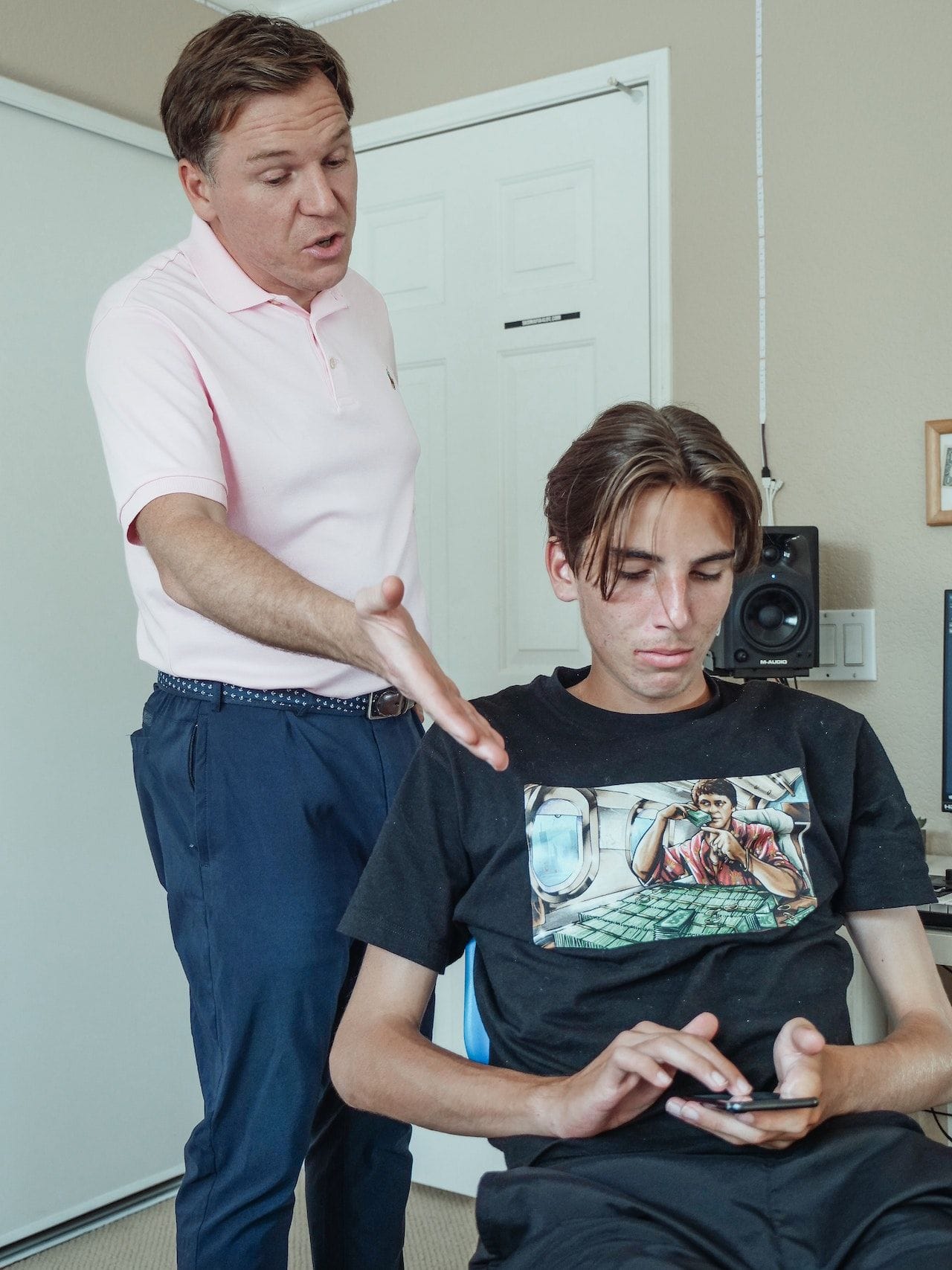
It only becomes a problem when the teenager just doesn’t seem to learn from their mistakes, hugely overestimates themselves and as a result gets into real danger, or maybe takes advantage of the trust or breaks it.
At that point, please don’t leave them in the lurch! Without forcing yourselves on them (teenagers hate that too), offer your help.
2. “Rules with no reason”
The sentence “As long as you live under my roof …” should be struck from your vocabulary right away. Most of the time it’s only used by parents who don’t know a better answer or reason anyway.
Of course there are certain rules you should stick to. But when you set rules, only do it with a reason that makes sense! Teenagers in particular have a strong tendency to question things. Why not take that as a test of how useful and important the restriction really is, whether it’s being grounded, a TV or computer ban, etc.
Nothing is more off-putting than a curt answer like “Because I said so!”, “That’s just how it is!” or “Because, end of discussion!”
No offense, but a teenager who’s looking for an honest explanation can no longer take their parents seriously after that!
3. “They always have to know better!”
Nothing is dumber than a long lecture over little things! It’s not only teenagers who make mistakes; parents can make them too. Please don’t make it look as if all the mistakes are on the teenagers’ side.
Let me tell you something that really goes over well with teenagers: when they feel that their parents live honestly and genuinely, authentically. It starts with little things. For example, the parents themselves stick to the rule that nobody eats in front of the TV. They live their faith openly and set an example.

How can you expect something from your teenager that you don’t live up to yourself? When a teenager sees their father or mother living a pure, honest and transparent life and being joyful while doing it, they’ll always remember it.
4. “They always have to bug you when you just want to be left alone!”
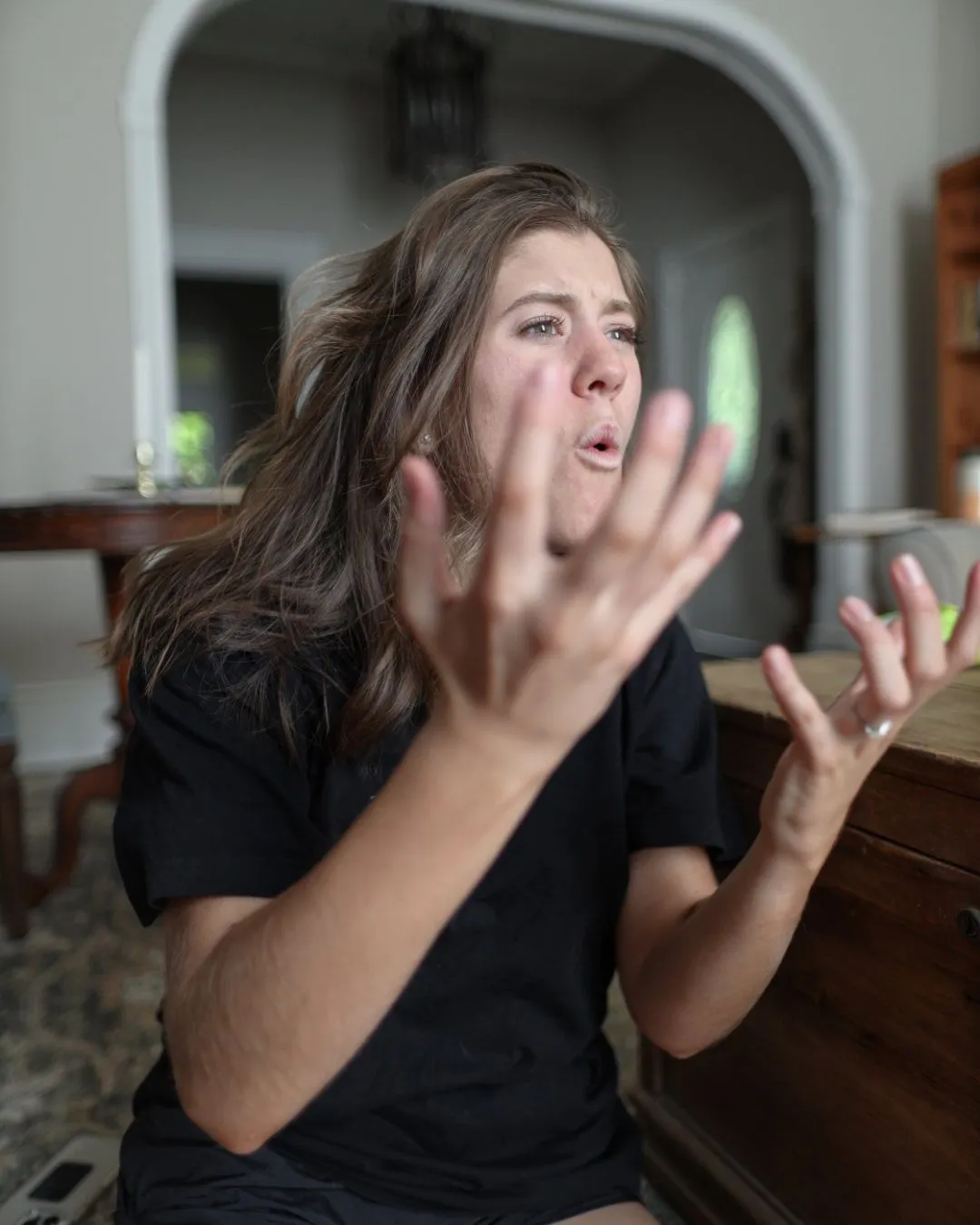
During puberty, teenagers go through an emotional roller coaster. And often at the expense of their parents and siblings. Happy one moment, angry the next: sound familiar? During this time, a teenager reacts extremely sensitively to comments they couldn’t have cared less about maybe just the day before. I was no different. One moment I was goofing around with my siblings, and shortly afterward I was racing to my room in tears and just wanted to be left alone.

I admit, this is a real challenge for you parents, to put it nicely. This calls for real sensitivity. During this time, privacy is especially important to teenagers, and they don’t want it disturbed. You don’t necessarily have to worry when your teen withdraws to their room. It isn’t always a serious problem. Sometimes they’re embarrassed by their own outburst. Later, check in very gently and offer to talk with them. But also respect it if they don’t want to talk about it.
There’s also the strange phenomenon that teenagers don’t really notice that they’re taking their mood swings out on other people. I was one of them, for example. Only when my parents reminded me years later (namely, when my little sister had reached that point) did I realize that I had been just as “extremely teenage.” Now I’m all the more grateful that they left me alone back then and didn’t make a fuss about my emotional outbursts. Instead, I remember well that I could always talk to them when I wanted to. They also always told me that these changing feelings were normal at this age. That helped me a lot.