The world is not enough
That’s dramatic. Because we never pay back our debts to Mother Earth. On the contrary: we take on new ones every year.
Just think: in 2020 this day falls only three weeks later than in 2019, and that’s because of COVID. Without the pandemic and lockdown, we would have reached the end of the earth’s resources even sooner.
For comparison: in 2000, Earth Overshoot Day fell on November 1. Since then it has come a little earlier every year. That means we are using up more and more reserves in less and less time.
Because not everyone in the world consumes the same amount, each country has its own Earth Overshoot Day. In 2019, for example, it looked like this:
- World: July 29
- EU: May 10
- Germany: May 3
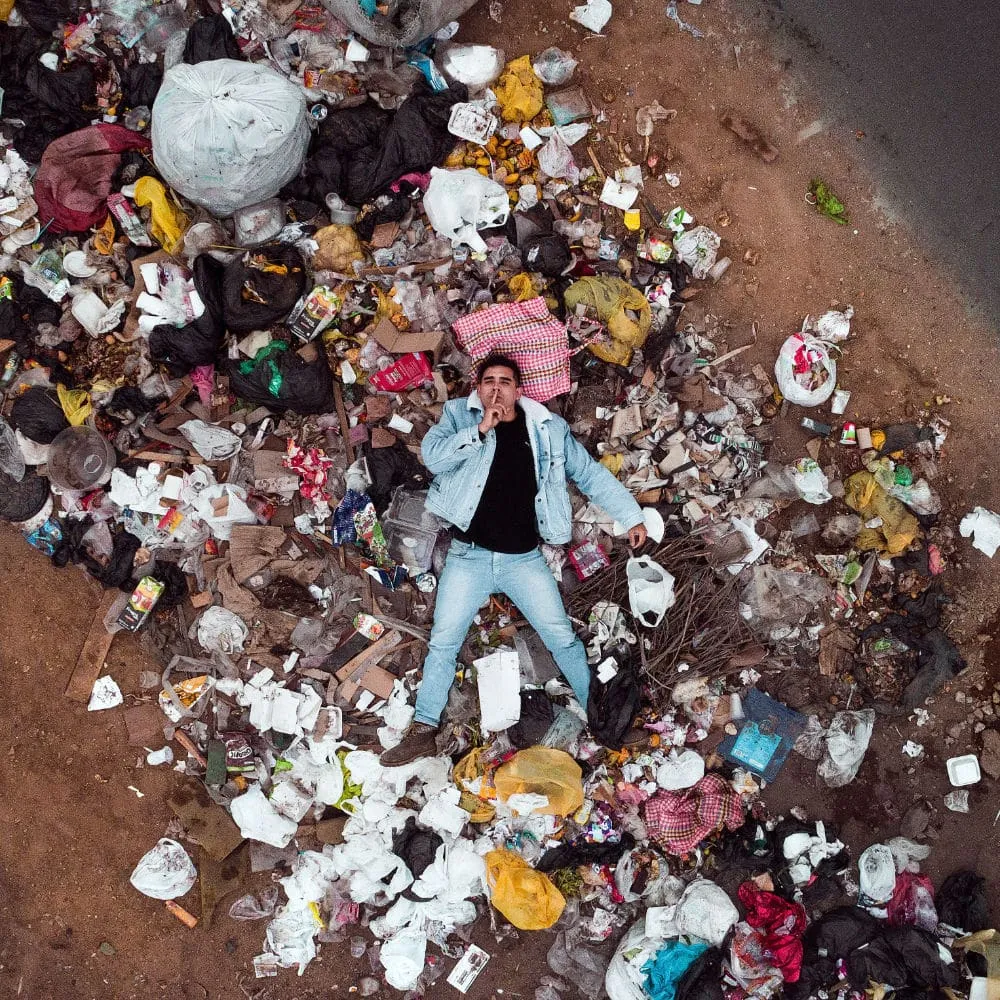
With our lifestyle, we squeeze the earth like an orange. But at some point, there’s just nothing left. Especially in Germany. If everyone lived the way we do in Germany, we would need the resources of three Earths.
For the future of the children and teenagers in our groups, that is deeply unfair. And even more so for their children and grandchildren.
But that’s not all. Our exploitative way of life is especially unfair to people in other places, too.
“For the sake of our lifestyle, trees are cut down in South America, Africa and Asia, rivers are polluted, animal populations shrink, or species die out completely.” (Eberhard Brandes, WWF Germany)
Earth Overshoot Day is a calculation by the Global Footprint Network, designed to point out how we are overexploiting the earth. You can find information on how it’s calculated here.
Will it ever be enough?
We keep doing this, more and more, faster and faster, on every level.
- The Brazilian rainforest is being cut down at record speed (in German).
- Trump approves oil drilling in a nature reserve.
- In the COVID crisis, the German government rescues Lufthansa with nine billion euros: no environmental conditions attached (in German).
- We produce so much plastic waste that by 2050 there will probably be more plastic than fish swimming around in the ocean.
- We always want the latest clothes, and a whole selection of them in the closet. As a result, many clothes are worn only twice on average (in German) and then thrown away.
- For most people, it has to be a new smartphone (in German) every two years at the latest.
- We throw away food (in German) as if it were worthless.
This list could go on forever.
One thing is clear: we just can’t get enough. We are consuming the world to death. And most of it is pure luxury.
Maybe you’re thinking right now: Sure, I know people who don’t care about the environment or who buy and throw away too much useless stuff. But I’m totally different.
You can test that for yourself. It’s sure to be a good conversation starter for your youth group, too:
- www.footprintcalculator.org from the “makers” of Earth Overshoot Day.
So what do we do about it?
The good news is: everyone can do something. For example, with “the 5 Fs”:
- Eat less meat, and in general, don’t waste food
- Live modestly and frugally, using little energy (like Diogenes in his barrel)
- Fly as little as possible
- Drive your car less and burn less fuel
- Fight for laws: call on the government to pass legal regulations so that human rights, environmental protection and so on get on the agenda and are regulated in a binding way. For individuals, but especially for business.
What can you do personally? What are you doing as a youth group, church or organization? What is your contribution so that the grandchildren of the teenagers in your groups will still have resources to live on?
If you want to dig deeper:
- Wackernagel, M. / Beyers, B. 2019. Ecological Footprint: Managing Our Biocapacity Budget. New Society Publishers.
- Wackernagel, M. / Rees, W. 1996. Our Ecological Footprint: Reducing Human Impact on the Earth. New Society Publishers.