

Adults sometimes shrug off a teen breakup as something they will soon get over. Laura Haddow, writing for Youthscape, a Christian charity in the UK that supports youth work, takes that pain seriously and explains what is going on inside.
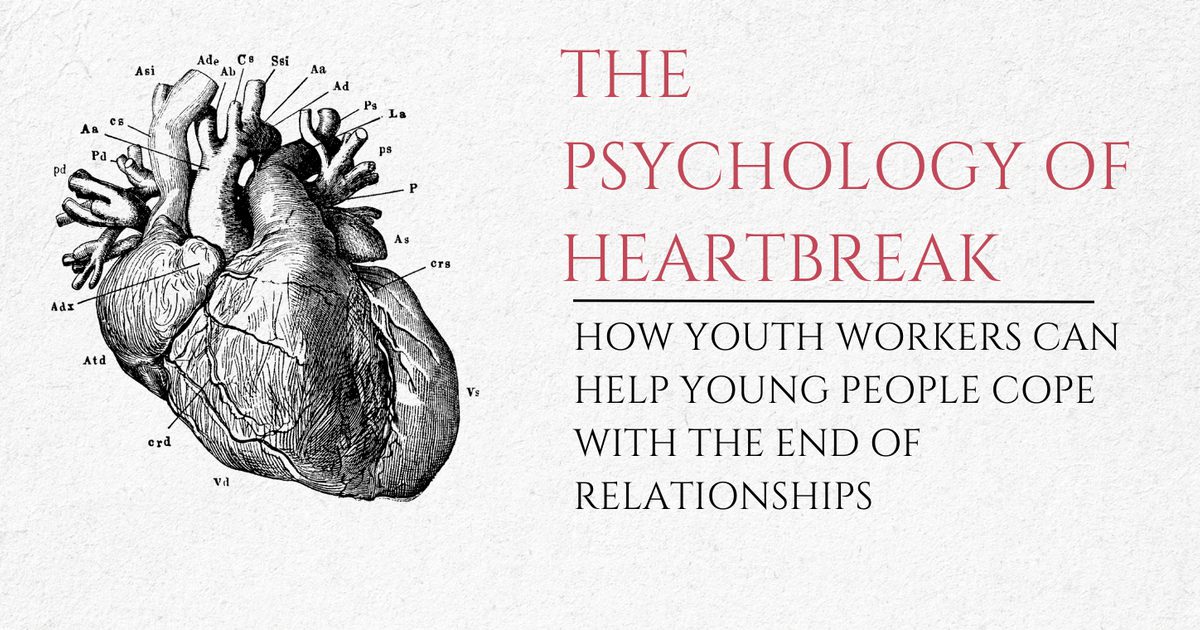
The psychology of heartbreak
Why breakups hurt so much and how to walk with teens through them.
 Laura Haddow
What you’ll find in the article:
- the brain chemistry of falling in love and of losing it
- stages of loss and what helps in each
- teens who feel God has let them down after a breakup
“It’s made me question why we don’t talk more about this with young people.” Laura Haddow, The psychology of heartbreak
Using it as a youth leader or educator
Four ways to help teens through heartbreak:
- Plan an evening on endings. In a series on friendship and dating, include one session on ending a relationship kindly, so the topic is familiar before anyone needs it.
- Mind the friend group. After a breakup inside your youth group, plan activities that do not force anyone to pick a side, and check in with both teens in a setting where others can see you.
- Pray the Psalms. Read a psalm of lament together, such as Psalm 13, and invite teens to write a few lines of their own.
- For parents. Encourage parents to take a first breakup seriously, to listen more than they advise, and to keep it out of family jokes. If deep sadness lasts for weeks, they can involve the family doctor or a counselor.
More on Pulse
- When Your Teen’s Heart Breaks: Parent Cue on Helping Through a First Breakup
- Big Feelings, Brain Under Construction: Parent Cue on Teens and Their Emotions
- Using a Feelings Wheel: Why it’s Helpful and How it Works
“The psychology of heartbreak” is by Laura Haddow for Youthscape, © Youthscape. The introduction and the ideas for youth leaders and educators are by Pulse.