In many secular societies, schools with a Christian foundation are seen as leftovers from a bygone age. Shouldn’t education belong to the state, rest on scientific facts and leave religion out? Jeff Fountain notes that even believers need to ask whether Christian education still matters.
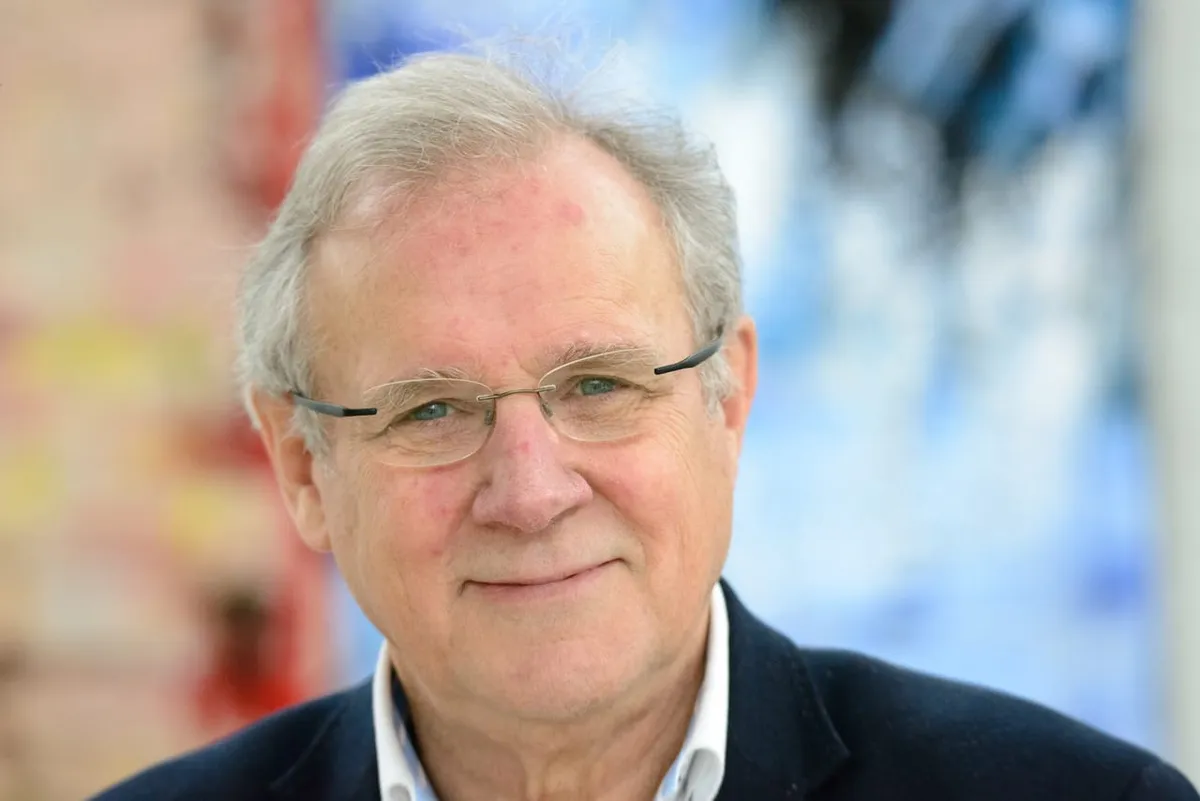
Fountain was European director of Youth With A Mission for twenty years, founded the Schuman Centre for European Studies in 2010 and has written a weekly blog, Weekly Word, since 2001. He wrote this piece just as he was due to speak on this very question at a forum on faith and society in Fribourg, Switzerland.
His answer starts with history. Education for everyone, he argues, has deep Jewish and Christian roots: ancient Israel was told to teach its children diligently, and early Christians, convinced that every person is made in God’s image, taught girls as well as boys. From there he moves quickly through the centuries, from catechetical schools and Irish teaching monks to the first universities and the Reformers who pushed for schools open to all. Only fairly recently, he argues, did faith and learning drift apart, as education focused more and more on the what and the how and lost sight of the why.
That is his central point: an approach that can’t say what human beings are for can’t say what education is for either. Christian education, rooted in a view of knowledge that holds together in God, still has something essential to offer.
If you teach, lead young people or are choosing a school for your kids, this short history is a helpful reminder of where our schools came from and why the question of purpose matters.
More from Pulse
This article by Jeff Fountain first appeared on Weekly Word. Pulse published a German version in June 2024 (in German).